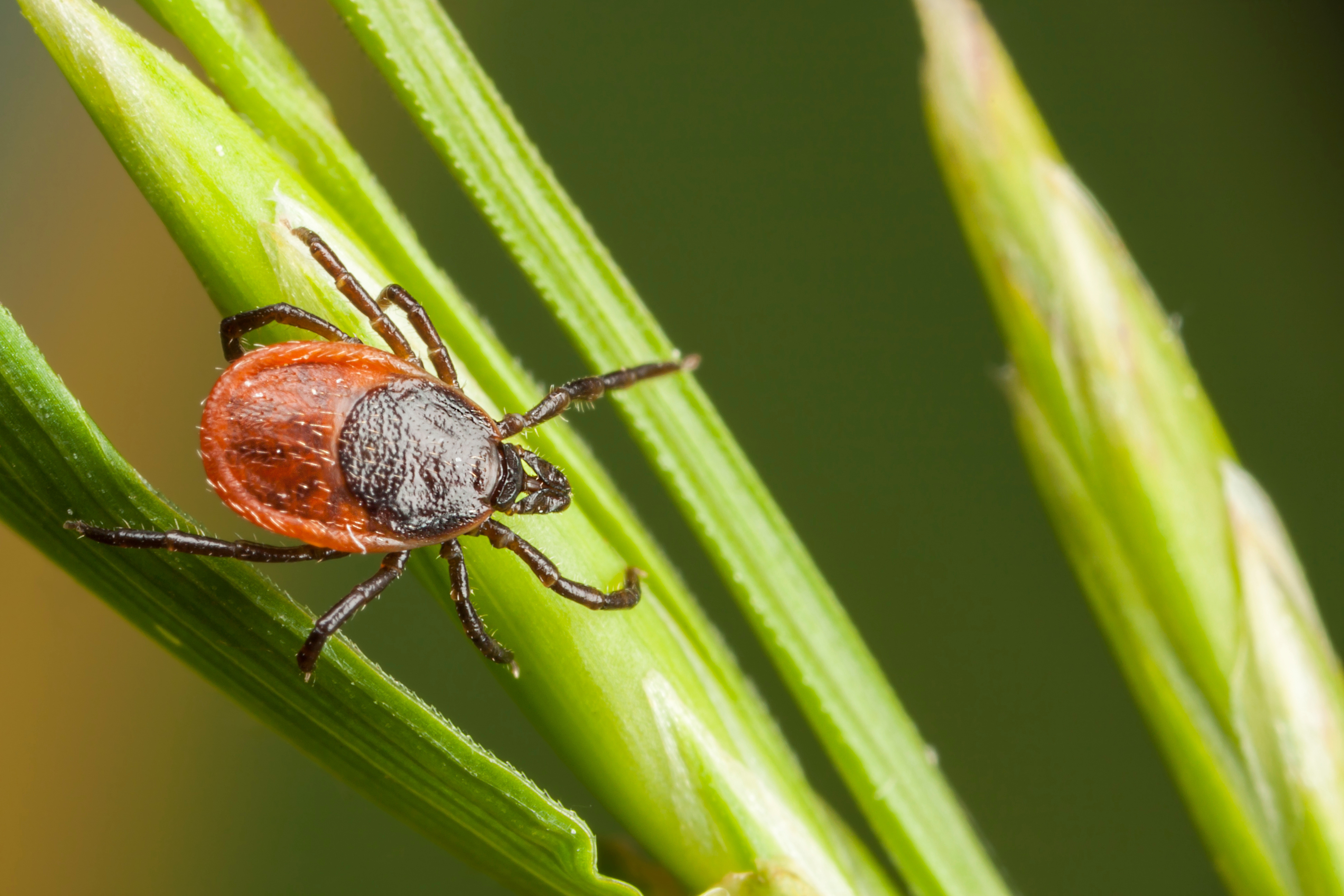
Climate change is reshaping ecosystems across Europe, creating new challenges for public health. Among the most concerning developments is the rapid expansion of ticks into areas where they were previously uncommon. Rising temperatures, milder winters, changing rainfall patterns, and increasing wildlife populations are creating ideal conditions for ticks to survive, reproduce, and colonize new regions.
Why are ticks expanding their range?
Ticks are highly sensitive to environmental conditions. Traditionally, cold winters limited their survival and restricted their geographical distribution. Today, however, warmer temperatures are allowing ticks to remain active for longer periods and spread into higher altitudes and northern latitudes.
Several factors are contributing to this expansion:
-
Warmer winters and longer growing seasons
-
Changes in precipitation patterns and humidity levels
-
Increased forestation and vegetation growth in some regions
-
Growth of wildlife populations that serve as tick hosts
As a result, tick activity seasons are starting earlier in spring and extending further into autumn, increasing opportunities for human and animal exposure.
A Changing European Landscape
Over the last two decades, suitable habitats for ticks have expanded significantly across Europe. Areas previously considered low-risk are now experiencing established tick populations, while regions already affected are seeing increased tick density.
Mountain areas are also becoming more vulnerable. As temperatures rise, ticks are able to survive at higher elevations where they were once unable to establish populations. Combined with the growing popularity of outdoor activities such as hiking, camping, and nature tourism, this creates more frequent encounters between ticks and humans.
The Growing Threat of Tick-Borne Diseases
The expansion of tick populations is closely linked to an increased risk of tick-borne diseases. Some of the most significant concerns across Europe include:
-
Lyme disease, the most commonly reported tick-borne illness in Europe
-
Tick-borne encephalitis (TBE), a viral infection affecting the central nervous system
-
Crimean-Congo Hemorrhagic Fever (CCHF), a disease increasingly monitored as vector distribution changes
While disease distribution varies by region, public health authorities continue to report shifts in risk zones as climate and environmental conditions evolve.
Prevention Remains Essential
As tick activity increases, awareness and prevention become increasingly important. Public education, personal protection measures, environmental management, and effective vector control strategies all play a role in reducing exposure risks
Understanding how climate change influences vector populations is critical for developing proactive approaches to public health protection. Monitoring emerging risks and adapting control strategies will become increasingly important as environmental conditions continue to evolve.